
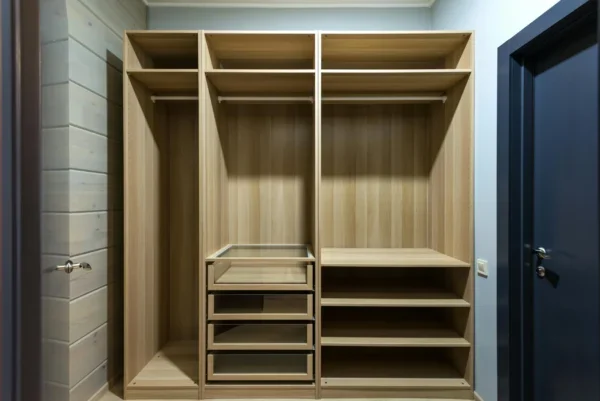
A custom closet system transforms storage into a structured solution that supports daily routines and improves how living spaces function. Many homeowners rely on closets that limit organization and reduce efficiency. Standard shelving does not reflect real wardrobe needs. Fixed layouts do not support changing lifestyles.
Storage design works best when it matches how people actually live inside their homes. A closet should support clothing categories. It should organize accessories, allows seasonal rotation, accommodate household storage habits. A custom solution creates this structure through measured planning and a professional layout strategy.
Nova Closet designs storage systems that maximize available space while improving accessibility and visual clarity. Their approach prioritizes practical organization and long-term functionality. Many homes already show clear signs that storage upgrades would improve everyday comfort and efficiency. Recognizing these signs helps homeowners plan improvements with confidence and clarity.
Why Storage Problems Often Start with Standard Closet Layouts
Most builder-grade closets follow a simple formula. One shelf sits above one hanging rod. This layout limits flexibility, restricts shared storage, and leaves little space for accessories and folded clothing.
Homes change over time. Clothing collections expand. Storage habits evolve. Closet layouts often remain the same. The result is overcrowded rods, unused vertical space, and reduced accessibility during daily routines.
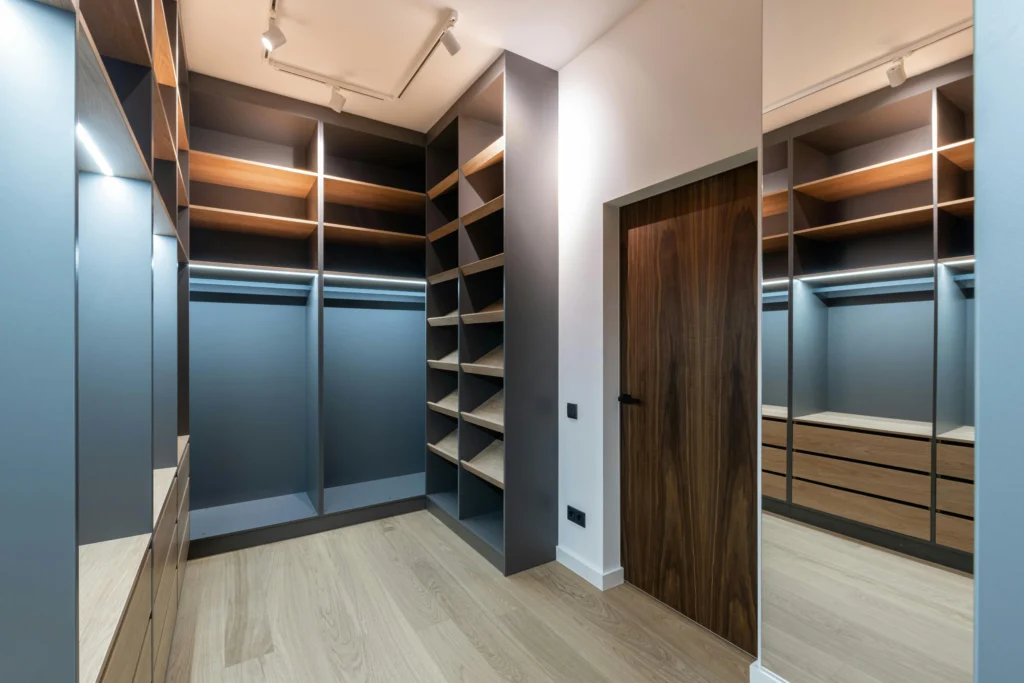
A custom closet system corrects these limitations through structured shelving, dedicated drawer placement, vertical storage zones, and integrated organization features designed around real use patterns. Each section supports a specific storage purpose. Each zone improves visibility and access.
The following signs help identify when a closet upgrade becomes necessary and when a more intentional storage solution can improve everyday organization and comfort.
1. Clothing Frequently Stays Outside the Closet
Clothing should remain inside the closet system.It should remain accessible and organized. Overflow signals limited capacity and reduced functionality. Laundry chairs become storage zones. Bedroom corners collect folded piles. Secondary racks appear in living areas. Floors begin to hold items that should remain stored. Daily routines become slower and less efficient. These patterns show that existing closet space no longer supports everyday storage needs. The layout cannot accommodate wardrobe growth or accessory organization.
A custom closet system increases usable storage height and width. Adjustable shelving creates flexible sections for folded clothing, bags, and accessories. Vertical expansion supports seasonal rotation and improves accessibility without increasing the room’s footprint. The result is a more structured storage environment that keeps items visible, organized, and easy to manage each day.
2. Shelves Feel Crowded Even After Cleaning
Closets should feel manageable after organization sessions. Order should remain stable over time. Crowding that returns quickly signals layout limitations rather than organization habits. Fixed shelf spacing creates unused gaps. Large items compete with smaller items for the same surface area. Folded clothing stacks lose structure and visibility. Items become harder to access during daily routines.
A custom closet system introduces shelving zones designed for specific clothing categories. Drawer sections separate accessories such as belts, scarves, and jewelry. Adjustable spacing supports changing storage needs as wardrobes evolve. Structured storage reduces repeated clutter cycles. Each category receives a defined location. Visibility improves across all sections. Daily organization becomes easier to maintain over time.
3. Accessories Do Not Have a Dedicated Storage Area
Belts need narrow storage channels. Jewelry needs protected compartments. Bags need vertical display support. Each accessory category benefits from a dedicated storage zone.Standard closets rarely provide these features. Most layouts include only rods and a single shelf. Small items compete for space without structure.
Accessories disappear inside boxes, collect inside drawers without organization, and lose visibility and become difficult to access during daily routines. A custom closet system integrates accessory drawers, dividers, and display shelving designed for specific items. These features improve protection, maintain visibility, and support faster selection during daily use.
Structured accessory storage improves efficiency. Daily routines become smoother. Closet space feels more intentional and easier to maintain.
4. Shared Closets Create Daily Friction
Two users require separate storage sections. Two users require independent access zones. Shared closets without structure create overlap and reduce efficiency.Hanging space becomes uneven. Shelf access becomes inconsistent. Items shift between sections without clear ownership. Daily routines slow down as users compete for the same storage areas.
A custom closet system creates defined zones for each person. Hanging sections remain balanced. Shelving stays consistent. Drawer placement supports equal accessibility. Layout symmetry improves organization and reduces confusion.
Structured separation makes shared storage predictable and efficient. Each user maintains a clear system. Daily access becomes faster and more comfortable. The closet functions as a coordinated space rather than a shared compromise.
5. Seasonal Clothing Rotation Feels Difficult
Winter wardrobes require deeper hanging space. Summer wardrobes require lighter folding sections. Seasonal transitions require adaptable storage that adjusts throughout the year.
Standard closet rods limit flexibility. Upper shelves remain difficult to access. Off-season clothing occupies valuable everyday storage space. Rotation becomes inconvenient and time-consuming.
A custom closet system introduces vertical zoning and overhead storage areas designed for rotation efficiency. Higher shelves support off-season storage. Mid-level sections keep daily clothing within easy reach. Adjustable shelving adapts as wardrobe needs change.
Seasonal transitions become easier. Closet sections remain organized throughout the year. Storage stays balanced without disrupting daily routines. The system supports both current use and long-term flexibility.
6. Closet Lighting Feels Inadequate
Closet lighting directly affects organization quality. Poor lighting hides clothing categories. Poor lighting slows morning routines. Limited visibility makes selection less efficient. Shadowed corners reduce usable storage space. Deep shelves conceal smaller items. Accessories become harder to locate. Daily access becomes less convenient over time.
A custom closet system often includes integrated lighting across shelves, drawers, and hanging sections. Even illumination improves visibility throughout the layout. Targeted lighting highlights frequently used areas and accessory zones.
Better lighting improves usability and comfort. Clothing remains easier to identify. Storage feels more accessible. Daily routines become faster and more consistent.
7. Floor Space Disappears Under Storage Bins
Closet floors should remain accessible. Floors should support comfortable movement inside the space. Clear floor space improves safety and daily usability. Bins often replace missing shelving zones. Boxes replace missing drawers. Stacked containers reduce accessibility and hide stored items. Floor clutter signals that the layout no longer supports current storage needs.
A custom closet system lifts storage upward through structured shelving towers and vertical planning strategies. Shelves organize folded clothing. Drawers protect accessories. Hanging zones free up lower areas for movement and visibility.
Floor space becomes usable again. The closet feels more open and efficient. Daily routines become smoother and easier to maintain.
8. Morning Routines Take Longer Than Necessary
Closets should support predictable routines. Clothing categories should remain visible. Accessories should remain easy to reach. Clear structure reduces hesitation during selection. Time increases when items are difficult to locate. Time increases when storage lacks organization. Disorganized layouts slow morning routines and create unnecessary repetition.
A custom closet system creates logical category placement across hanging areas, shelving, and drawers. Each section follows a defined purpose. Each item has a consistent location. Workflow becomes more intuitive.
Preparation becomes smoother each morning. Selection becomes faster. Daily routines feel more efficient and less stressful.
9. Closet Design Does Not Match the Room Interior
Closets influence overall room appearance. Storage systems affect visual balance and design cohesion throughout the home. Wire shelving often clashes with finished interiors. Builder-grade shelving can appear temporary and unfinished. These elements interrupt the visual flow of a space.
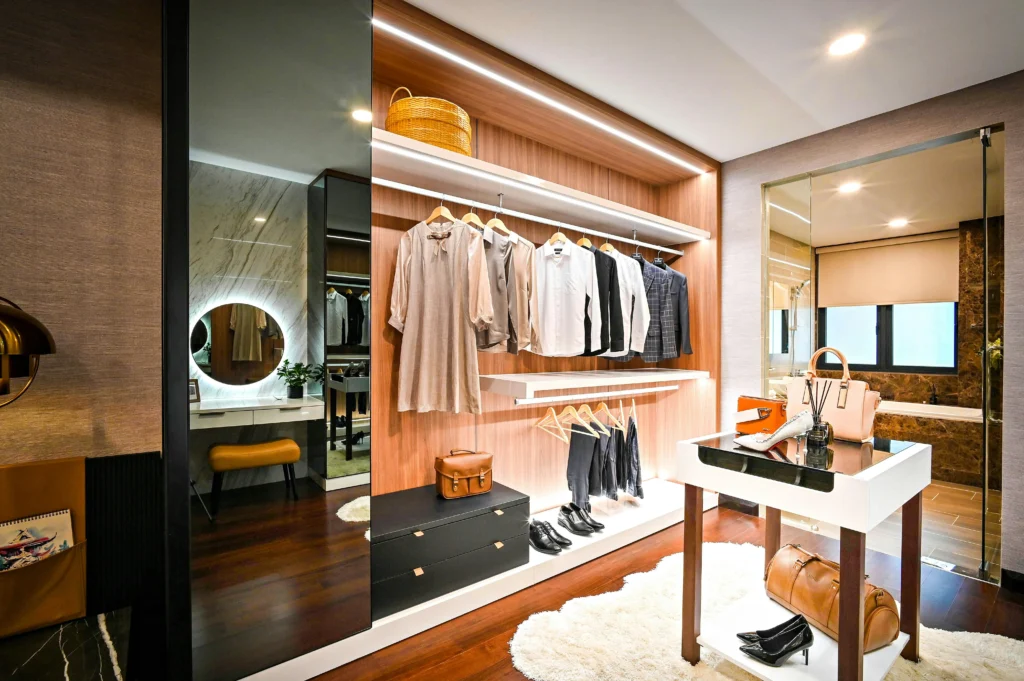
A custom closet system introduces integrated finishes that align with surrounding design elements such as flooring, wall color, cabinetry, and hardware. Materials feel intentional and coordinated across the home.
Storage becomes part of the interior architecture rather than an afterthought. The closet contributes to a unified, polished, and consistent design language.
10. Storage Needs Continue to Change Over Time
Closets should adapt to lifestyle changes. Storage should evolve with wardrobe growth, seasonal rotation, and shifting daily needs. Fixed layouts restrict future adjustments. Static shelving limits flexibility. Storage becomes outdated as requirements change over time.
A custom closet system supports adjustable configurations across shelving, drawers, and hanging zones. Components can be repositioned as storage needs evolve. Vertical and horizontal adjustments improve long-term adaptability.
Long-term usability improves significantly. The system remains functional, relevant, and efficient as household needs change.
How a Custom Closet System Improves Daily Living
Storage improvements affect more than organization. Storage improvements affect daily routines and overall comfort.
Accessible shelving reduces unnecessary movement. Structured drawers reduce time spent searching for items. Dedicated accessory storage improves efficiency and clarity during use. Closets become functional spaces rather than crowded storage areas. Every section serves a defined purpose. Every item has a clear place.
Nova Closet designs systems that reflect these goals through personalized measurement strategies and structured layout planning. Each design focuses on real usage patterns inside the home.
Each system supports long-term usability. The result is storage that remains practical, organized, and efficient over time.
Why Personalized Closet Planning Creates Better Results
Every home contains unique layout conditions. Ceiling height influences vertical storage capacity. Wall width determines shelving placement. Corner structure affects accessibility and movement within the closet.
Personalized planning improves accuracy and overall storage efficiency. It ensures every available inch is used in a practical and intentional way. Nova Closet evaluates each storage environment through detailed measurement and spatial analysis. Designers review dimensions, usage patterns, and lifestyle needs before developing a layout.
Custom planning delivers stronger organization outcomes than standard shelving systems. Storage becomes more functional, more accessible, and better aligned with how the space is actually used.
The Role of Vertical Storage in Modern Closet Design
Every home contains unique layout conditions. Ceiling height influences vertical storage capacity. Wall width determines shelving placement. Corner structure affects accessibility and movement within the closet. Personalized planning improves accuracy and overall storage efficiency. It ensures every available inch is used in a practical and intentional way.
Nova Closet evaluates each storage environment through detailed measurement and spatial analysis. Designers review dimensions, usage patterns, and lifestyle needs before developing a layout.
Custom planning delivers stronger organization outcomes than standard shelving systems. Storage becomes more functional, more accessible, and better aligned with how the space is actually
Drawer Integration Strengthens Closet Organization
Folded garments stay protected and neatly stacked. Accessories remain separated into clear compartments. Smaller items stay visible and easy to access. Drawer placement reduces surface clutter and keeps shelving areas clear. Organized compartments improve workflow speed during daily routines and make item selection more efficient.
Nova Closet integrates drawer planning into custom layout strategies that reflect how people actually use their closets. Each drawer is positioned based on accessibility, frequency of use, and category grouping.
The result is a more structured and efficient storage system that supports order, clarity, and everyday convenience.
Closet Upgrades Improve Property Value Perception
Storage quality influences buyer impressions. Organized closets reflect structured living spaces. Built-in systems signal long-term investment quality. A custom closet system strengthens interior presentation across bedrooms and storage areas. It creates a sense of order, efficiency, and thoughtful design throughout the home. Buyers often view functional storage as a practical upgrade. Clear organization improves perceived value. Well-planned layouts suggest better use of space and stronger overall maintenance.
The result is a home that feels more refined, more functional, and more appealing during evaluation.
In Conclusion
Closet layouts influence daily routines more than most homeowners expect. Storage inefficiencies create repeated small frustrations throughout the day. These patterns often signal that the current system is no longer working effectively.
A custom closet system turns unused or underutilized space into structured organization zones built around real routines and actual storage needs. It creates clear sections for clothing, accessories, and seasonal items while improving accessibility and flow. Nova Closet develops personalized storage solutions that support long-term functionality and visual consistency across interior environments. Each design is planned around measurements, usage habits, and spatial limitations to ensure practical results.
Recognizing these ten signs helps homeowners make confident decisions about storage improvements. The goal is a closet system that supports comfort, efficiency, and everyday ease of use.
Call to Action
Your closet should support your daily routine with clarity and structure. A personalized storage layout creates a system that adapts to your lifestyle instead of restricting it. Nova Closet designs custom closet solutions that improve organization, maximize available space, and enhance visual consistency throughout the home. Each system is planned to align with real usage patterns and long-term storage needs.
Schedule a consultation today and explore how a custom closet system can transform your storage experience into something more efficient, accessible, and built to last.