
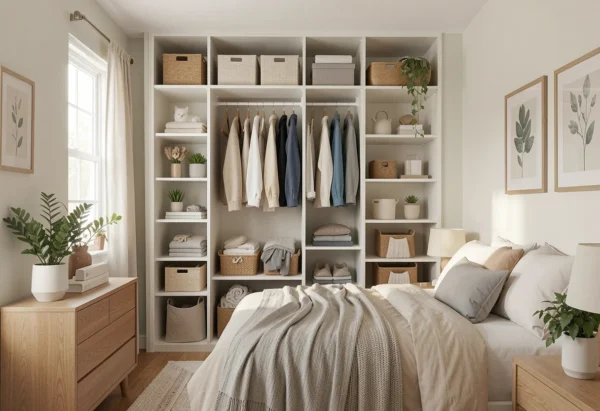
A reach-in closet may look compact at first glance, but thoughtful organization and custom storage solutions can turn it into one of the most efficient areas in a home. Many homeowners struggle with crowded shelves, stacked clothing, and limited visibility. A structured layout solves these problems. Clearly defined zones improve access to everyday items. Organized shelves, hanging sections, and drawers create a cleaner and more functional space that supports daily routines.
Modern closet systems help small closets perform like larger storage areas. Custom-built solutions from Nova Closet use shelves, rods, drawers, and accessories in a balanced layout. Each feature serves a clear purpose. Vertical space becomes more useful. Items stay visible and easy to reach. Smart planning transforms narrow closet footprints into practical storage systems that improve comfort, reduce clutter, and support long-term organization.
Why Small Reach-In Closets Benefit from Smart Organization?
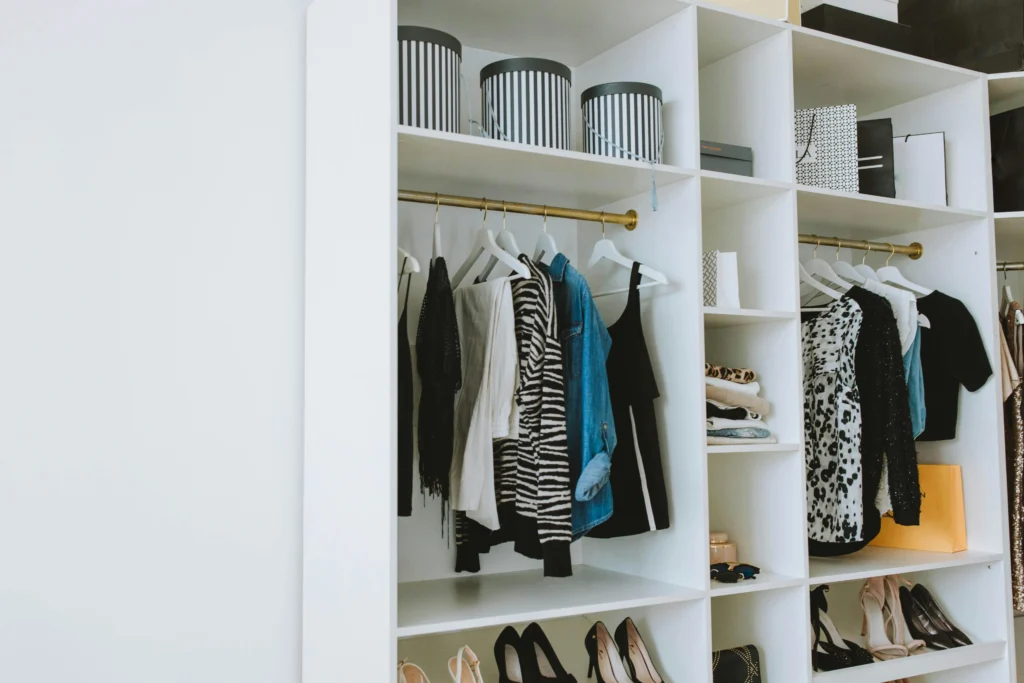
Small closets reward intentional design. Every inch should serve a clear purpose. Shelves support folded clothing. Hanging rods organize daily outfits. Drawers protect smaller accessories. Upper storage areas hold seasonal items that do not require frequent access. Defined zones reduce clutter and improve visibility.
A structured layout allows limited space to support wardrobes, accessories, and seasonal storage efficiently. Organized systems make items easier to find and maintain. Thoughtful planning turns compact closets into reliable storage areas that support daily routines and keep rooms looking clean and balanced.
The Hidden Potential Behind Compact Closet Layouts
Many reach-in closets include unused vertical space, underused corners, and inefficient single-rod layouts. These limitations reduce storage capacity and make daily organization more difficult. A custom storage plan converts overlooked areas into clearly defined zones. Shelving creates structure for folded clothing. Double-hang sections increase hanging space for shorter garments. Corner solutions improve access to items that often become hidden or crowded.
Vertical shelving, double-hang sections, and integrated drawers increase storage capacity without changing the closet footprint. Upper shelves support seasonal storage. Drawers protect smaller accessories and personal items. Organized layouts improve visibility and simplify daily routines. Smart configurations allow compact reach-in closets to function as efficient and reliable storage systems.
Daily Convenience Starts with Better Closet Flow
An organized closet reduces time spent searching for clothing and accessories. Clear storage zones keep items visible and easy to reach. Shelves support folded garments. Hanging sections separate workwear, casual clothing, and special-occasion outfits. Drawers protect smaller accessories and keep surfaces uncluttered.
Structured storage supports smoother morning routines and reduces daily frustration. Quick access to essentials saves time before work, school, or travel. A well-arranged closet also keeps bedrooms calmer and more functional by limiting visible clutter and improving overall room balance.
What Makes a Reach-In Closet Organization System Effective?
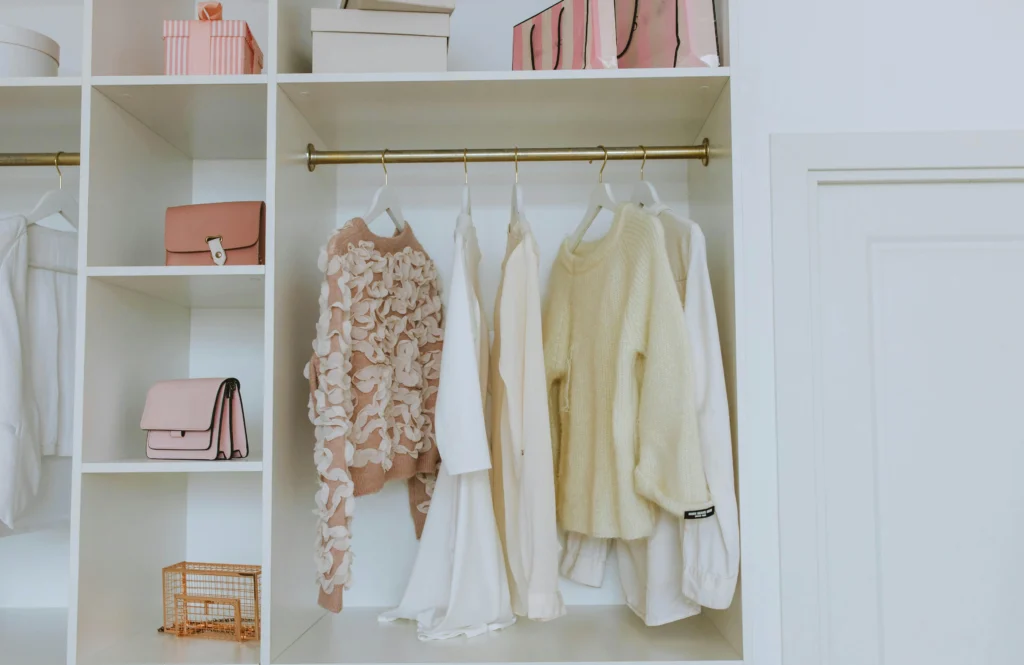
Adjustable Shelving for Changing Storage Needs
Adjustable shelving creates flexibility inside a reach-in closet and allows storage to evolve with changing wardrobes throughout the year. Shelf heights can shift to support bulky winter sweaters, folded denim, handbags, or stacked storage bins without wasting vertical space. During warmer months, shelves can move closer together to support lighter clothing and compact accessory storage. This type of adaptable layout keeps the closet organized across seasons and reduces the need to relocate items to other rooms. Adjustable shelving also supports long-term usability because the closet continues to match lifestyle changes over time.
Double Hanging Rod Configurations
Double hanging rod systems significantly increase clothing capacity inside a reach-in closet without expanding its footprint. Two hanging levels create separate zones for everyday garments such as shirts, blouses, folded trousers, skirts, and lightweight jackets. This arrangement keeps frequently used clothing visible and easy to access while preventing overcrowding along a single rod. Organized hanging sections also help maintain garment shape and reduce wrinkles. A structured double-rod layout turns a compact closet into a more efficient storage area that supports faster outfit selection each day.
Drawer Integration for Smaller Items
Drawer storage keeps smaller wardrobe essentials organized and protected from visual clutter across open shelves. Built-in drawers create dedicated compartments for belts, scarves, socks, jewelry, and undergarments so these items remain easy to locate during daily routines. Interior dividers can further improve organization and prevent items from shifting inside the drawer space. Placement at waist height supports comfortable access and encourages consistent use. Integrated drawers also give the closet a cleaner appearance by keeping frequently handled accessories stored neatly out of sight.
Smart Layout Strategies That Maximize Narrow Closet Space
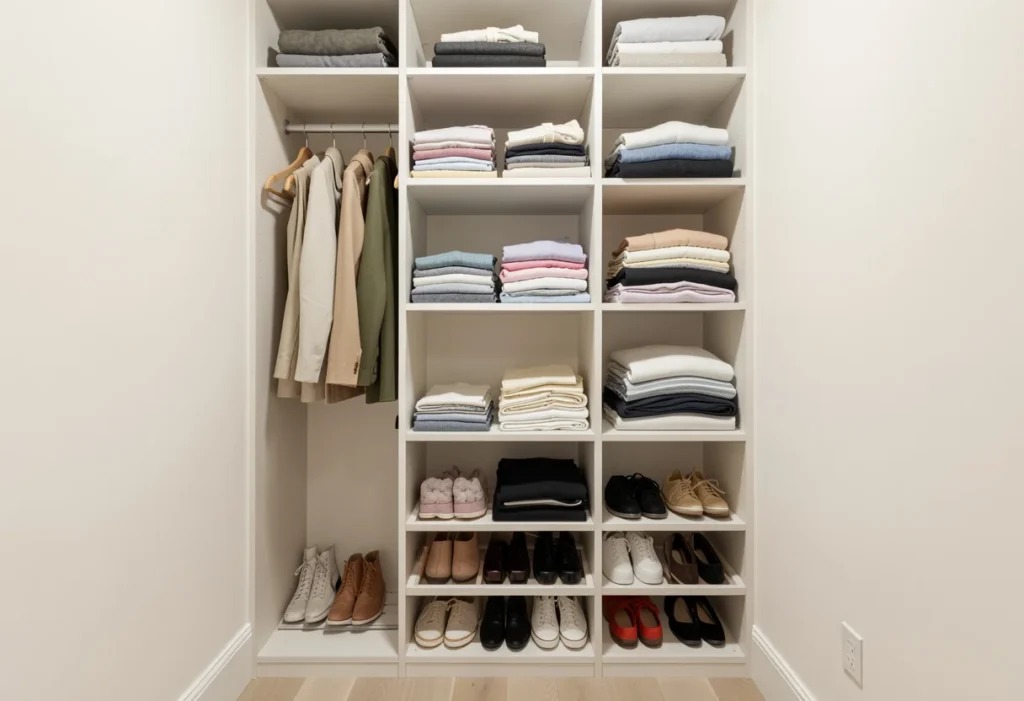
Layout decisions determine how efficiently a reach-in closet functions. A clear structure helps divide space into dedicated zones for hanging clothes, folded items, accessories, and seasonal storage. Thoughtful placement of shelves, rods, and drawers improves visibility and keeps frequently used items within easy reach. Organized layouts also reduce crowding and prevent wasted space along walls and upper sections. A well-planned arrangement supports faster daily routines and keeps the closet easier to maintain over time.
Divide the Closet into Activity Zones
Creating zones keeps items grouped logically and improves the overall function of a reach-in closet. A structured layout divides the interior into upper, middle, and lower storage sections that support clear organization and daily convenience. The upper storage zone works well for seasonal clothing, luggage, and rarely used items. This area keeps occasional-use belongings out of the main access space and preserves room for everyday essentials. The daily access zone sits at eye and arm level and holds frequently worn clothing on hanging rods and shelves.
This placement supports faster outfit selection and keeps routines efficient. The lower storage zone provides space for shoes, storage bins, and folded garments that benefit from stable placement. This structure reduces overcrowding in high-traffic areas and keeps the closet easier to maintain over time.
Vertical Storage Is the Secret Advantage of Reach-In Closets
Most reach-in closets contain unused overhead space, and using this vertical height increases storage capacity without changing the closet footprint. Installing top shelves above hanging areas creates reliable storage for items that are not part of daily routines, such as seasonal clothing, extra bedding, or travel accessories. Storage baskets placed on these upper shelves keep belongings contained, visible, and easier to manage over time. Stackable drawer towers also increase storage density by adding structured compartments inside the closet instead of placing bulky furniture in the bedroom. These towers improve visibility, support better sorting of smaller items, and help maintain a cleaner and more organized closet layout.
Custom Shelving Creates a Cleaner Closet Appearance
Closets feel more spacious when shelf dimensions match the size of the items they hold. Open shelving improves visibility and makes clothing easier to locate during daily routines. Clear sightlines support better organization habits and reduce clutter buildup over time. Shelf depth should match the type of items stored to maintain efficiency. Deep shelves work well for sweaters, blankets, and bulkier folded garments. Shallow shelves help organize accessories and smaller clothing pieces without hiding them behind stacked layers. Custom-sized shelving increases storage efficiency and helps every section of the closet serve a clear purpose.
Closet Accessories That Improve Reach-In Closet Performance
Accessories can transform a small reach-in closet into a highly functional, almost walk-in–like storage system. Thoughtful add-ons maximize efficiency and improve daily routines.
Pull-Out Shoe Racks Keep Footwear Accessible
Shoes often accumulate at the bottom of reach-in closets, making it difficult to find matching pairs. Pull-out or sliding shoe racks provide organized, dedicated storage for footwear, improving visibility and making it easier to select the right shoes quickly. This system also keeps shoes off the floor, reducing clutter and extending their lifespan.
Slide-Out Laundry Hampers Save Floor Space
Integrated slide-out hampers fit neatly into the closet layout, keeping dirty laundry contained and off the bedroom floor. They simplify the process of sorting and storing clothing before washing, making laundry routines faster and more efficient. These hampers also maintain a clean and organized closet appearance, contributing to a more serene bedroom environment.
Jewelry Organizers Prevent Tangling and Damage
Small accessories like necklaces, bracelets, and earrings can easily tangle or become damaged if stored loosely. Dedicated jewelry organizers provide compartments for each piece, keeping them visible and accessible. This ensures delicate items remain safe, while making it simple to find the perfect finishing touch for any outfit.
Together, these accessories optimize reach-in closet space, turning limited storage into a highly functional and organized wardrobe system.
Lighting Solutions That Transform Closet Visibility
Lighting transforms a reach-in closet from a cramped, dark space into a functional and inviting area. Thoughtful illumination improves visibility, accessibility, and the overall user experience.
LED Shelf Lighting Improves Daily Access
Installing LED lights along shelves brightens darker corners and highlights items stored in the back. This ensures that clothing, accessories, and smaller items are easy to see, even during early mornings or late evenings. Proper shelf lighting reduces the time spent searching for items and encourages better organization habits.
Motion-Activated Lighting Adds Convenience
Motion sensors eliminate the need to fumble for switches, activating lights automatically when closet doors open. This hands-free feature improves accessibility, especially when carrying laundry or clothing, and enhances energy efficiency by turning lights off when the space is not in use. Motion-activated lighting also adds a modern, seamless feel to the closet design.
Together, these lighting solutions make small closets feel more spacious, functional, and easy to navigate.
Door Configurations That Support Better Closet Access
Closet doors play a key role in how accessible and functional storage feels. Sliding doors save room space by allowing access to the closet without requiring clearance for swinging panels, making them especially useful in compact bedrooms. They provide a clean, streamlined look while keeping clothing and accessories easily reachable. Open closet concepts create a modern, airy feel by removing doors entirely, making the space feel larger and more integrated with the bedroom design. With carefully planned custom storage layouts, even doorless closets maintain a structured and organized appearance, ensuring that everything remains accessible, visible, and visually appealing. Together, thoughtful door choices enhance both the usability and aesthetic of reach-in closets.
Seasonal Rotation Keeps Small Closets Organized Year-Round
Closet organization improves when storage adapts to seasonal needs. Storing off-season clothing above eye level makes upper shelves ideal for keeping seasonal garments temporarily. Using storage bins protects items while keeping them accessible and easy to retrieve. Rotating wardrobes twice each year helps maintain efficiency, prevents overcrowding, and keeps everyday clothing within easy reach. Regular seasonal adjustments also simplify daily outfit selection and ensure the closet remains organized, functional, and visually appealing throughout the year.
How Custom Closet Systems Improve Reach-In Closet Efficiency
Custom solutions outperform standard shelving because they are designed around real household needs. Personalized hanging configurations support wardrobe types by providing additional rod space for longer garments or expanded shelving for folded clothing. This ensures that storage matches each homeowner’s lifestyle and clothing habits. Integrated storage eliminates bedroom clutter by giving accessories, shoes, and smaller items a designated place, reducing the need for extra dressers or storage units elsewhere. The result is a cleaner, more functional bedroom layout.
Built-in solutions increase long-term organization success because closets designed around daily routines are easier to maintain. Homeowners can keep spaces tidy consistently, making their closets both efficient and enjoyable to use over time.
Small Reach-In Closet Mistakes to Avoid
Avoiding common layout issues helps maximize storage efficiency. Overcrowding shelves reduces accessibility because tightly packed items become difficult to see and retrieve. Leaving proper spacing between folded clothes or stacked items improves usability, encourages better maintenance habits, and makes daily routines smoother.
Ignoring vertical storage opportunities limits total closet capacity, as unused upper areas go to waste. Adding shelves or stackable storage above hanging rods instantly increases flexibility, allowing for seasonal items, luggage, or rarely used belongings to have a designated spot.
Using only one hanging rod rarely accommodates modern wardrobes efficiently, especially when there are many short garments like shirts, blouses, and folded trousers. Installing a double-rod system doubles hanging space, separates clothing types, and creates a more organized and functional closet layout.
How Nova Closet Designs Reach-In Closet Systems That Work Better
Nova Closet designs professional reach-in closet systems that enhance both function and appearance by tailoring solutions to wardrobe size, room layout, storage priorities, and accessibility preferences. Their approach seamlessly combines shelving, drawers, and hanging options into balanced layouts that maximize space without overwhelming the room, supporting daily routines while maintaining a polished finish that complements the surrounding interiors.
Frequently Asked Questions (FAQs)
1. How deep should a reach-in closet be?
Most reach-in closets measure between 24 and 30 inches deep. This depth provides enough space for clothes to hang without becoming cramped or wrinkled. It also leaves room for shelving, drawers, or other accessories along the back or sides. A depth of 24 inches works well for single rows of hanging clothes, while 30 inches is ideal for bulkier items like coats or jackets. Proper depth ensures that doors or sliding panels can close easily without squeezing clothing. It also allows for better visibility and access to stored items. Planning depth carefully helps make the closet both functional and visually balanced.
2. Can a reach-in closet include drawers?
Yes, reach-in closets can include drawers as part of a custom or modular system. Integrated drawer towers are a practical way to store smaller items like underwear, socks, or accessories. They reduce the need for extra bedroom furniture, freeing up floor space and reducing clutter. Drawers can also be designed with soft-close mechanisms for convenience and a polished feel. Including drawers in the layout helps keep items organized and easy to access daily. Custom sizing ensures the drawers fit perfectly without interfering with hanging clothes. Overall, drawers make a reach-in closet much more functional and versatile.
3. What is the best layout for a small reach-in closet?
For a small reach-in closet, maximizing vertical space is key. Double hanging rods allow shorter items like shirts and pants to be stored efficiently, doubling the usable hanging area. Upper shelves are ideal for seasonal items or less-used belongings. Lower areas can be used for shoe storage, baskets, or pull-out bins to keep the floor tidy. A combination of open shelving and drawers adds flexibility for folded clothes or accessories. Keeping the layout organized and balanced prevents the space from feeling cramped. Thoughtful planning ensures that every inch of a small closet is functional while remaining visually appealing.
4. Are custom reach-in closets worth the investment?
Custom reach-in closets are often worth the investment for long-term convenience and organization. Unlike pre-made systems, custom layouts are designed specifically for your wardrobe, room dimensions, and storage needs. This increases accessibility and reduces wasted space. They can include features like adjustable shelves, drawers, and specialized compartments for shoes, handbags, or accessories. Over time, a custom closet supports better organization habits and minimizes clutter. A tailored design also enhances the overall look of your room, creating a cohesive and polished aesthetic. While the upfront cost may be higher, the functional and visual benefits often outweigh it.
5. How often should closets be reorganized?
Closets benefit from seasonal reorganizing, ideally twice a year, to match wardrobe changes. Rotating clothing with the seasons ensures that everyday items are easy to access while off-season pieces are stored efficiently. This process allows you to declutter and remove items no longer needed, keeping the space functional. It also helps identify missing storage solutions or adjustments needed for better organization. Regular maintenance prevents the closet from becoming overcrowded or messy. Taking the time to reorganize can make daily routines smoother and more enjoyable. Seasonal updates keep the closet aligned with evolving wardrobe needs while maintaining a clean, organized appearance.
In Conclusion
A reach-in closet becomes far more functional when storage is designed intentionally. With vertical shelving, double-rod configurations, integrated drawers, and thoughtful accessories, compact closets can support everyday routines efficiently while maintaining a clean visual appearance.
Custom closet systems help homeowners use space more effectively while creating storage solutions tailored to their lifestyle. With the right layout, even small closets can perform like larger walk-in designs.
Upgrade your reach-in closet with a custom storage system designed around how you live. Nova Closet creates personalized shelving, drawer towers, and hanging layouts that maximize every inch of available space. Their expert team helps transform compact closets into organized, accessible storage areas that simplify daily routines. Schedule your consultation today and discover how a smarter closet layout can improve your home.
📧 info@novacloset.com 📍14000 Thunderbolt Pl ste.k, Chantilly, VA 20151 ☎️703 691 5195