
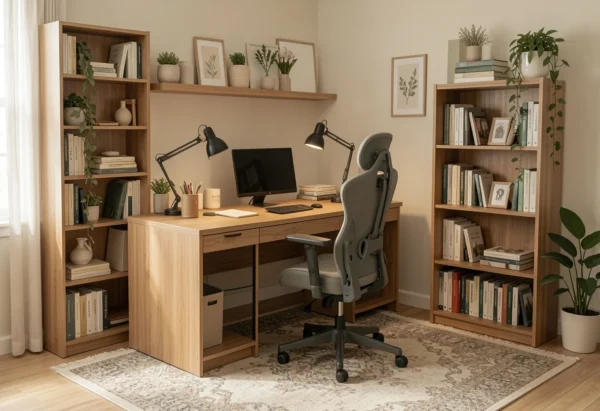
Home workspace tips play a major role in creating a productive environment that supports focus, comfort, and daily efficiency. A home workspace is no longer a secondary corner of the house. It has become a central area for work, planning, and digital activity. The way it is designed directly affects performance and mindset throughout the day.
A well-designed workspace combines structure and style. It supports organization while maintaining visual clarity. Cluttered surfaces reduce productivity. Poor layout design slows down workflow. Smart planning solves these issues through intentional storage, layout zoning, and integrated design solutions.
Nova Closet creates custom storage systems that transform residential spaces into highly functional work environments. Their approach focuses on built-in cabinetry, space optimization, and personalized layouts that align with real daily routines. A workspace should support efficiency while reflecting personal style.
Why Design Matters in a Home Workspace

A home workspace directly influences how tasks are completed throughout the day. A structured layout supports focus by reducing distractions and creating clear zones for work. In contrast, a disorganized layout introduces visual clutter that breaks concentration and slows down productivity.
Many workspaces serve multiple purposes, functioning as study areas, office zones, and creative environments. Each function requires thoughtful planning so that tools, materials, and equipment remain easy to access and properly organized. Without this clarity, overlapping uses can quickly lead to inefficiency and confusion.
Poor design often results in cluttered surfaces, limited movement, and disrupted workflow. Smart workspace design improves accessibility, supports smoother transitions between tasks, and enhances overall productivity. A well-planned setup also helps manage time better by reducing unnecessary steps and creating a more efficient daily flow.
Core Principles Behind Effective Home Workspace Design

Function Drives Every Design Decision
A workspace should always prioritize usability before aesthetics. Every cabinet, shelf, and surface should serve a clear purpose that supports daily tasks and long-term efficiency. When design is guided by function, the space becomes easier to navigate and more intuitive to use throughout the day. In contrast, design without function often leads to wasted space, unnecessary complexity, and reduced productivity. Function-led planning creates structure, clarity, and a more efficient working environment.
Balance Between Open and Closed Storage
An effective workspace requires a thoughtful balance between open and closed storage. Open storage allows for quick access to frequently used items, improving speed and convenience during work. Closed storage, on the other hand, helps maintain visual order by concealing materials that are not in constant use. When combined properly, these two storage types create a system that supports both efficiency and cleanliness, reducing clutter while maintaining easy accessibility.
Zoned Layout Improves Efficiency
Zoned layouts improve workflow by separating the workspace into clearly defined areas based on function. One zone may be dedicated to digital work such as computers and devices, while another supports paperwork and document handling. A separate zone can be used for storage or supplies to keep essentials organized and within reach. This clear division reduces confusion, minimizes distractions, and improves task completion speed by creating a more structured and intentional work environment.
Smart Home Workspace Tips for Better Function and Style
1. Use Built-In Storage for Clean Layouts
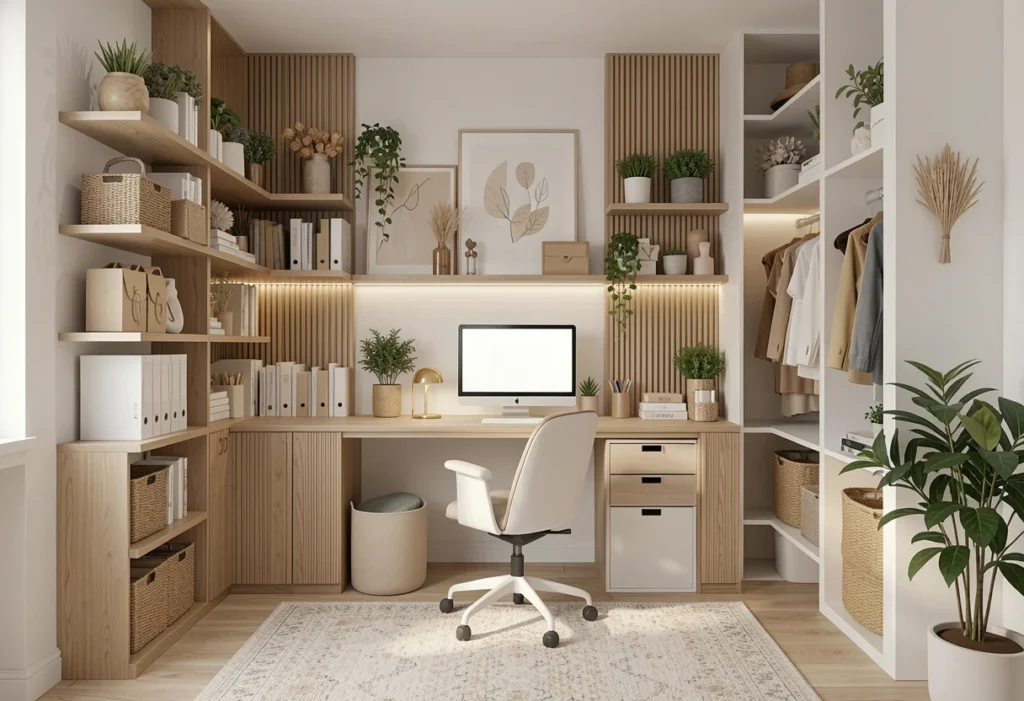
Built-in storage creates a seamless and cohesive workspace design. Cabinets are integrated directly into the walls, which reduces visual clutter and creates a more streamlined appearance. This approach also maximizes usable space by eliminating gaps and awkward areas. It improves overall room structure while maintaining a clean and intentional layout. At Nova Closet, custom cabinetry is designed to align precisely with room dimensions for efficient and functional workspace planning.
2. Optimize Vertical Space for Storage Expansion
Vertical space is often underutilized in many workspaces, despite offering valuable storage potential. Wall height can be used to expand capacity without increasing the room’s footprint. Upper shelves are ideal for storing less frequently used items, mid-level shelves support daily tools, and lower storage areas keep active workflow items within easy reach. This vertical planning strategy significantly increases storage efficiency while maintaining an organized and accessible workspace.
3. Integrate Cable Management Systems
Unmanaged cables can quickly create visual clutter and reduce workspace efficiency. Organized cable routing improves both appearance and functionality. Hidden channels keep wires out of sight, while cable trays help prevent tangling and improve safety. A well-structured workspace includes planned cable management to maintain clean surfaces and support a more professional and distraction-free environment.
4. Choose Multi-Functional Furniture Designs
Furniture in a workspace should serve multiple purposes to maximize efficiency. Desks that include built-in storage or cabinets with expandable work surfaces help save space and improve functionality. Multi-functional designs are especially valuable in compact layouts, where every piece must contribute to both organization and usability. This approach enhances flexibility while maintaining a clean and efficient workspace.
5. Add Dedicated Storage for Office Essentials
Every workspace benefits from clearly defined storage zones for office essentials. Supplies should not be left scattered across surfaces, as this reduces efficiency and increases clutter. Drawers, compartments, and categorized storage systems help keep items organized and easy to locate. This structure improves workflow consistency and ensures that everything has a designated place.
6. Prioritize Proper Lighting Placement
Lighting plays a key role in productivity, comfort, and focus. Poor lighting can cause eye strain and reduce efficiency, especially during long working hours. Task lighting supports detailed activities, while ambient lighting enhances overall comfort and balance. A well-lit workspace improves usability and contributes to a more productive and comfortable environment.
7. Use Neutral Colors for Visual Calm
Color selection has a direct impact on concentration and mental clarity. Neutral tones help reduce visual distractions and create a calm working atmosphere. Soft whites, greys, and natural wood finishes provide balance and support extended periods of focus. These colors also make the workspace feel more open, clean, and professional.
8. Incorporate Closed Cabinets for Visual Control
Closed storage systems help maintain visual order by concealing clutter and keeping surfaces clean. This improves focus and reduces distractions during work. Cabinets also protect items from dust and damage, extending their usability. Structured closed storage contributes to a more organized and visually controlled workspace environment.
9. Add Floating Shelves for Flexible Display
Floating shelves provide lightweight and flexible storage solutions that enhance both function and design. They are ideal for books, decor, and frequently used items that need quick access. By keeping surfaces open while adding vertical storage, floating shelves help maintain balance between practicality and visual appeal.
10. Design for Movement and Accessibility
A well-designed workspace should allow smooth and natural movement throughout the area. Items must be positioned within easy reach to support efficiency and reduce unnecessary steps. Poor spacing can interrupt workflow and decrease productivity, while thoughtful layout planning improves accessibility, comfort, and overall work performance.
How Custom Storage Enhances Home Workspace Design
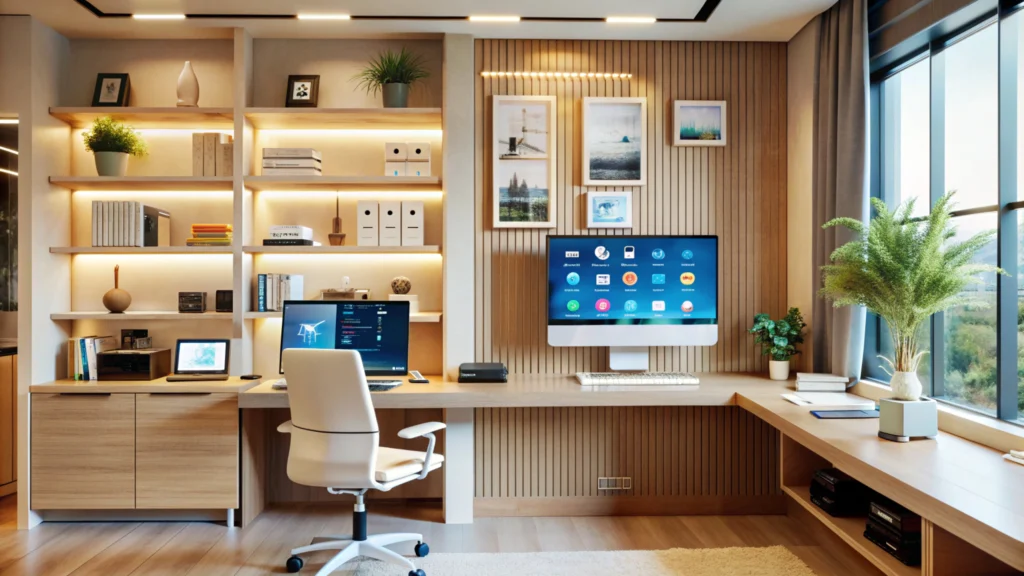
Built-in solutions create seamless integration by allowing custom cabinetry to blend directly with interior walls. This produces a clean, unified appearance that enhances both aesthetics and functionality within the workspace. Tailored layouts further improve efficiency by aligning storage design with individual work habits, ensuring that every section supports daily routines and minimizes unnecessary movement. Space optimization is especially important in smaller areas, where every inch must be used effectively through careful planning and intelligent storage solutions.
Design strategies for small home workspaces focus on maximizing flexibility and efficiency. Foldable desk systems provide adaptable functionality by expanding during work hours and closing when not in use, making them ideal for multi-purpose rooms. Wall-mounted storage keeps floors clear, improves accessibility, and creates a more open and organized environment. Slim cabinet designs further enhance efficiency by fitting into narrow or limited spaces while maintaining proper organization, making them particularly suitable for compact homes.
Design Strategies for Large Home Workspaces
Full-wall storage systems maximize available space by extending cabinetry across entire walls, significantly increasing storage capacity while maintaining a clean and organized layout. This approach improves organization by allowing clear categorization of office essentials, documents, and equipment without creating clutter, resulting in a more structured and professional workspace environment.
Dual work zones enhance productivity by separating different types of tasks within the same space. One area can be dedicated to computer-based work, while another supports planning, writing, or administrative tasks. This division reduces distractions, improves focus, and creates a more efficient and intentional workflow throughout the day.
Integrated meeting areas further enhance workspace functionality by adding dedicated seating spaces for collaboration, planning, or client discussions. These areas increase versatility, allowing the workspace to support multiple functions within a single environment while improving comfort and adaptability.
Material Selection for Long-Term Workspace Performance
Wood Finishes Add Warmth and Structure
Wood finishes bring a natural sense of warmth and stability to a workspace. They help soften modern interiors while maintaining a strong structural presence. Beyond aesthetics, wood is highly durable, making it suitable for long-term use in cabinetry, shelving, and built-in storage systems. Its texture and tone also create a grounded, inviting environment that supports both comfort and productivity.
Matte Surfaces Reduce Visual Distraction
Matte finishes help minimize glare and reflections, especially in workspaces where screens and artificial lighting are frequently used. By reducing visual noise, matte surfaces improve focus and create a calmer environment for concentration. They also contribute to a more modern and refined look, making storage systems feel subtle and cohesive rather than overly reflective or distracting.
Glass Elements Add Lightness
Glass elements introduce a sense of openness and airiness within storage systems. They help break up heavy cabinetry and prevent the space from feeling closed in or bulky. By allowing light to pass through, glass enhances visual depth and creates a more balanced composition. This material is especially effective in modern workspaces where a clean, light, and spacious feel is desired.
How Nova Closet Elevates Home Workspace Design
At Nova Closet, custom storage systems are designed to enhance home workspace functionality through structure, efficiency, and clean aesthetics. The focus is on creating organized environments that support productivity while maintaining a refined and cohesive interior look.
Each project begins with a detailed understanding of how the space is used on a daily basis. Designers evaluate routines, movement patterns, and storage needs to develop tailored layouts that align with real workflows. This ensures that every element of the workspace serves a clear and practical purpose.
Built-in storage, optimized layouts, and precision craftsmanship work together to create workspaces that are both highly functional and visually polished. The result is a balanced environment that supports efficiency, improves organization, and elevates the overall feel of the home.
In Conclusion
A well-designed workspace improves focus, organization, and overall daily productivity. Thoughtful design creates a clear balance between function and style, ensuring that the space supports both efficient work and a visually calm environment.
Home workspace tips such as zoning, vertical storage, and built-in systems significantly improve efficiency. Zoning separates tasks into dedicated areas for better workflow. Vertical storage maximizes wall space for added capacity. Built-in systems reduce clutter and create a more seamless layout. Together, these strategies provide long-term value for any home workspace by making it more organized and adaptable.
At Nova Closet, custom storage solutions are designed to transform workspaces into structured, functional, and visually refined areas. Each design focuses on improving usability while maintaining a clean and cohesive interior aesthetic.
Call to Action
Your workspace should support clarity, comfort, and productivity every day. Thoughtful design creates an environment that works with your routine instead of against it, helping you stay focused and organized throughout the day. A well-planned layout reduces clutter, improves efficiency, and enhances overall workflow. At Nova Closet, custom solutions are designed to transform any home workspace into a structured and efficient environment. Each system is built to maximize storage, improve accessibility, and maintain a clean, cohesive design tailored to real daily needs.
Start your design journey today and build a workspace that combines smart storage, clean design, and long-lasting functionality, creating a space that supports both productivity and comfort every day.