
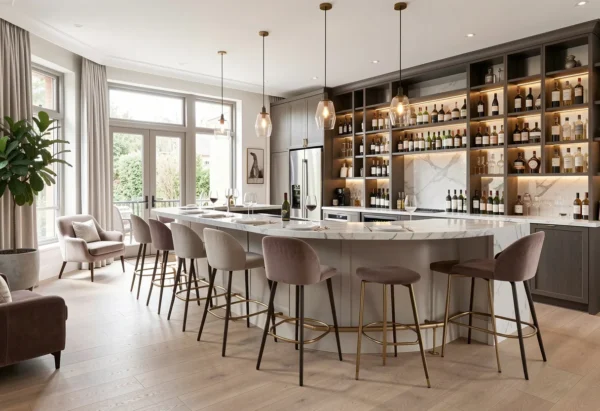
Adding a custom wine bar to a compact area in your home can boost both functionality and charm, giving you a dedicated space for storing and enjoying your favorite bottles. Even in smaller homes, condos, or apartments, a well-designed wine bar can transform an underused corner, alcove, or wall into a refined focal point. With thoughtful planning and smart use of space, a wine area becomes more than a storage solution, it becomes a personalized destination for relaxing evenings, casual entertaining, and showcasing your collection.
A compact wine bar does not require a large footprint to make a strong impact. Through creative cabinetry, vertical storage, integrated lighting, and multi-purpose surfaces, you can design a setup that feels intentional rather than improvised. The key lies in balancing capacity with accessibility, ensuring bottles are stored properly while keeping glassware, tools, and serving space within easy reach. When done well, even the smallest wine station feels organized, elegant, and inviting.
In this article, we explore practical design solutions, smart organization tips, and creative layout strategies for crafting a small home wine bar that accommodates your collection without overwhelming your living area. Whether you are a casual enthusiast or a growing collector, you will discover how to create a stylish, space-efficient wine bar tailored to your home and lifestyle.
Why a Wine Bar Matters in Your Home
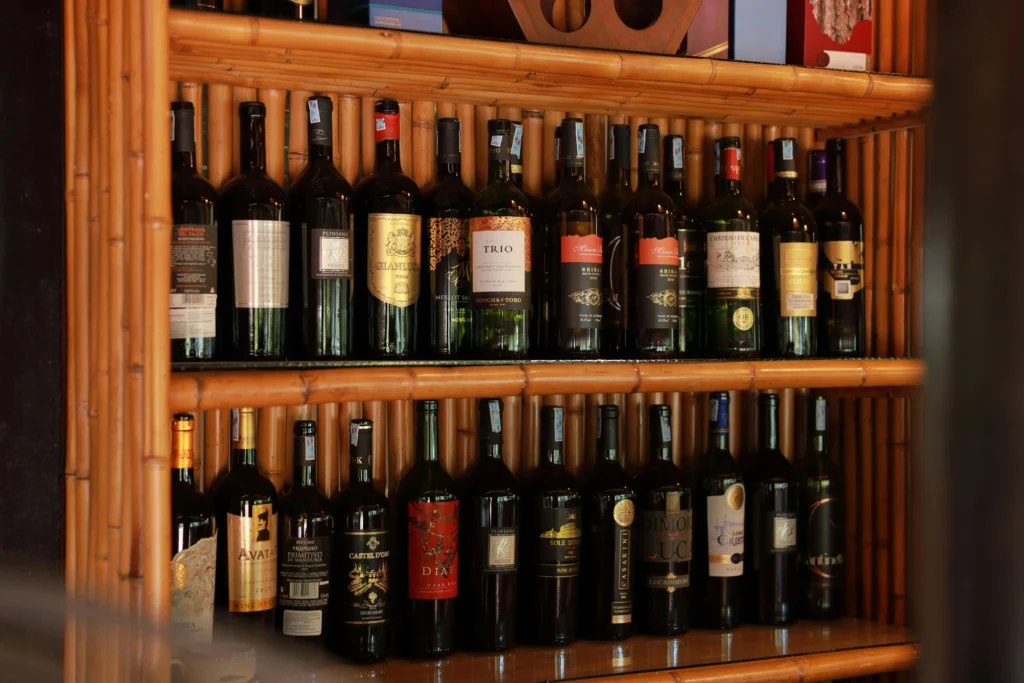
A wine bar brings together storage, display, and convenience in one intentional space, allowing your favorite bottles, glassware, and accessories to stay organized and within easy reach. Rather than scattering wine across kitchen cabinets or dining room shelves, a dedicated setup creates structure and purpose. Whether nestled in a dining room corner, integrated into a living area built-in, or tucked inside a custom closet, a thoughtfully planned wine bar enhances both efficiency and atmosphere. It becomes a natural gathering point, ready for casual evenings at home or effortless entertaining when guests arrive.
When designed correctly, a wine bar works with your space limitations instead of competing against them. Smart shelving accommodates bottles of various shapes and sizes, while built-in racks, drawers, or cubbies provide secure storage for stemware, corkscrews, decanters, and serving trays. Vertical space can be optimized, and compact countertops can double as prep or serving areas. The result is a streamlined system that replaces cluttered shelves with a cohesive, visually appealing focal point. More than just storage, a well-designed wine bar introduces order, style, and everyday convenience into your home.
Planning Your Small Home Wine Bar
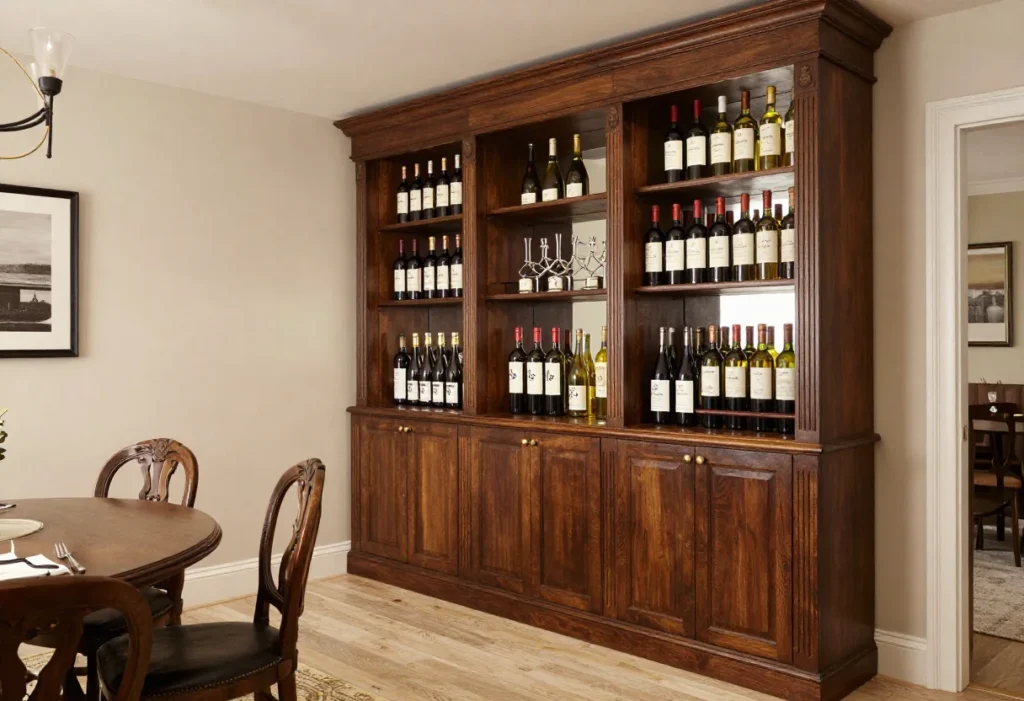
Good planning is the foundation of any successful wine bar design project. Before construction or installation begins, taking time to evaluate your space, your collection, and your design priorities will ensure the finished result is both functional and visually cohesive.
1. Identifying Your Space
Start by looking for underutilized areas in your home that can be transformed without disrupting primary living zones. Vertical wall space, hallway nooks, alcoves near dining areas, and built-in cabinetry are all strong candidates. Many small home wine bar ideas successfully utilize corners, the space beneath staircases, or even closets that can be repurposed into compact wine stations. The key is to assess ceiling height, nearby lighting, electrical access (if refrigeration is needed), and traffic flow. A well-placed wine bar should feel integrated into the home rather than added on. With thoughtful layout planning, even a modest footprint can support efficient bottle storage, glass organization, and a small serving surface.
2. Assessing Your Collection
Understanding the size and nature of your wine collection is essential before designing storage. Consider how many bottles you typically keep on hand and whether your collection fluctuates seasonally or continues to grow. A modest collection may only require under-counter racks paired with hanging glass holders, while a larger or expanding collection benefits from adjustable shelving and modular racks. Think about bottle variety as well, standard bottles, Champagne, magnums, and specialty shapes require different spacing. Planning ahead allows your wine bar to scale with your collection rather than outgrow it. Flexibility in shelf height and rack configuration ensures long-term usability and prevents overcrowding.
3. Choosing the Right Wine Bar Elements
A successful wine bar balances functionality with personal style. Wine racks should hold bottles horizontally to maintain cork moisture and preserve quality. Custom shelving should be precisely measured to fit stemware, decanters, cocktail tools, and accessories without wasted space. If room permits, incorporating a small serving counter provides a dedicated area for pouring, preparing drinks, or staging glasses during gatherings. For collectors of delicate vintages, adding a temperature-controlled unit protects flavor integrity and extends longevity. Lighting, finishes, and hardware can then be selected to complement your existing décor. When each component is chosen intentionally, your wine bar becomes a cohesive feature that enhances both convenience and design harmony throughout your home.
Creative Wine Bar Ideas for Small Spaces
Here are some inspired and practical ideas to help you maximize every inch of space when creating a small home wine bar:
Multi-Purpose Built-Ins
One of the most efficient ways to save space is to integrate your wine bar into existing furniture. Cabinets, bookcases, or sideboards near your kitchen or dining area can be retrofitted with custom racks, turning generic shelving into an organized, visually appealing wine station. For example, removing a section of a wardrobe or armoire and installing bespoke bottle racks, glassware slots, and accessory storage creates a polished, cohesive setup. This approach keeps everything tidy, accessible, and stylish while making use of furniture that might otherwise be underutilized.
Corner Wine Bar Nook
Corners are often overlooked, yet they offer a perfect opportunity for a compact wine bar. By building vertically, you can maximize storage without taking up valuable floor space. Place bottle racks at the lower levels for easy access, use the middle area for hanging glass stems, and add a narrow counter at the top for pouring or staging drinks. This type of setup makes even a small, awkward corner a functional and attractive feature in your home.
Close to the Kitchen
Positioning your wine bar near the kitchen or dining area enhances convenience, making serving drinks during meals and gatherings effortless. Even a simple arrangement—a narrow counter with a couple of shelves above—can function as a purposeful wine station. Proximity ensures everything you need is within reach while keeping the main kitchen counters free for meal prep.
Closet Conversion
For truly compact homes, converting a small closet into a wine bar is a highly effective solution. Tall shelving accommodates bottles of various sizes, while custom racks and cubbies organize stemware and accessories. By utilizing a hidden space, you maintain a clean, uncluttered look in your living areas while creating a dedicated, bespoke wine suite that’s easy to access whenever needed.
With these strategies, even a small space can be transformed into a functional, elegant wine bar that enhances both your home’s style and your daily enjoyment.
Smart Organization Tips
Now that you have space allocated, keeping your wine bar orderly and functional ensures it remains both practical and visually appealing over time. A few intentional organization strategies can make a noticeable difference in daily use and entertaining.
Group Bottles by Type
Organize bottles by category—reds, whites, rosés, and sparkling—to make selection effortless when preparing for a meal or hosting guests. Within each group, arrange bottles by size and shape to create visual symmetry and improve accessibility. If your collection includes favorite vintages or frequently served options, position them at eye level for convenience. This structured approach eliminates guesswork and enhances the overall presentation of your wine display.
Add Display Lighting
Strategic lighting enhances both function and ambiance. Installing soft LED strips beneath shelves or along rack edges helps illuminate labels, making it easier to locate specific bottles quickly. Warm, subtle lighting creates an intimate atmosphere that complements the elegance of a wine bar without producing harsh glare. Proper lighting also highlights the craftsmanship of your cabinetry and glassware, turning storage into a design feature.
Use Vertical Space
Maximize your storage capacity by extending racks or shelving units closer to the ceiling. Vertical organization allows you to store more without increasing your footprint. Reserve top shelves for items used less frequently, such as specialty decanters, backup bottles, or additional stemware. Keeping everyday essentials at accessible heights while utilizing upper areas efficiently ensures your wine bar remains streamlined and uncluttered.
Incorporate Temperature Control
Maintaining a stable temperature is essential for preserving wine quality. If your collection includes delicate or valuable bottles, consider integrating a compact climate-controlled unit into your design. Built-in wine refrigerators or cooling drawers protect against heat fluctuations and ensure optimal storage conditions year-round. Thoughtful temperature management not only safeguards your investment but also guarantees that each bottle is ready to enjoy at its best.
Stylish and Functional Design Features
A small home wine bar should do more than simply store bottle, it should elevate both usability and aesthetic appeal within your space. Thoughtful design elements can make even a compact setup feel intentional and refined. Integrated glassware storage, such as stem racks fitted beneath shelves or vertical slots built into side panels, makes smart use of often-overlooked vertical space while keeping your bar tidy and ready for serving. Including a modest serving counter or waist-height ledge adds valuable functionality, providing a dedicated surface to uncork, pour, rest tools, or assemble small plates without disrupting kitchen or dining areas. Finishes also play a key role in the overall impact.
Selecting woods, metals, or painted cabinetry that harmonize with your existing décor ensures the wine bar feels cohesive rather than added on. Whether you prefer warm wood tones for a classic look or sleek, modern finishes for a contemporary feel, material choices help anchor the design. Finally, deciding between open shelving and closed cabinetry shapes how the wine bar integrates into the room. Open storage offers visibility and easy access, turning your collection into a visual feature, while closed cabinets provide a cleaner, more concealed appearance. By balancing these elements carefully, a small wine bar becomes not just a storage solution, but a seamless and stylish extension of your home.
How Custom Wine Bars from Nova Closet Can Help
For tailored solutions, Nova Closet offers custom closet systems that can incorporate dedicated wine bar designs seamlessly into your home. These thoughtfully engineered systems provide structured storage for bottles, glassware, and accessories, ensuring everything has a defined place. Options range from streamlined bottle racks ideal for modest collections to fully developed compact wine bar spaces that maximize every inch of available square footage without overwhelming the room.
Homeowners can select from a variety of finishes, storage configurations, and integrated lighting solutions to match their personal style and functional needs. Whether you prefer warm wood tones, sleek contemporary cabinetry, or softly illuminated display shelving, each detail can be customized. Sizes and layouts are carefully adapted so the wine bar fits neatly into a small wall, pantry, alcove, or even a closet that might otherwise go unused. The result is a cohesive, space-efficient wine area that feels intentional, elegant, and perfectly suited to your home.
In Conclusion
Designing a small home wine bar can be both rewarding and highly practical when approached with thoughtful planning. By identifying the most suitable location whether it’s a corner nook, a built-in cabinet, or a converted closet and selecting the right structural components, you create a space that reflects both your personal style and the character of your collection. Careful organization ensures that bottles, glassware, and accessories are arranged with intention, making everyday use seamless and enjoyable.
Creative storage solutions, such as vertical racks, integrated glass holders, and compact serving surfaces, help you maximize limited square footage without sacrificing elegance. Focusing on efficient use of vertical space keeps your setup streamlined, while choosing finishes that complement your existing décor ensures visual harmony throughout your home. When these elements come together, your wine bar becomes more than a storage feature, it becomes a well-considered design element that enhances functionality, showcases your collection, and adds refined charm to your living space.
Ready to make lasting use of that spare corner, closet nook, or dining wall? Book a custom design consultation with Nova Closet today. Our team can help plan a wine bar that fits your space and storage needs with seasoned expertise. Reach out and begin creating an area designed for quality organization, effortless access, and comfortable enjoyment of your bottles.
Whether you imagine a sleek minimalist bar or a more traditional setup with room for accessories and glasses, a well-planned wine bar can become a cherished part of your home and daily routine.